You love game music and want to become the person who can make it
You grew up with game soundtracks that made you feel something. Now you want to pass that feeling forward through music you created yourself.

For gamers who are ready to become composers
Get the exact map pro composers use to plan, write, and release two game-ready pieces for an imaginary game, plus a guided challenge to create your first two compositions.
On the next page, I'll show you how the 60-day path works and how students use it as the first step toward EPs, portfolios, game jams, and real OST work.


Our music is in games on these platforms


Composed for indie game studios



100+ client compositions released

126,000+ subscribers on Music Theory for Gamers

Every written review 5 stars
This is not another giant course you never finish. It is a map plus starter challenge designed to get you moving and show you what the journey actually looks like.
You grew up with game soundtracks that made you feel something. Now you want to pass that feeling forward through music you created yourself.
You might have sketches, loops, melodies, or a DAW full of unfinished starts. This gives you the map for turning the next ideas into complete pieces.
The goal is not to overwhelm you. The goal is to help you start, finish, and understand what the real composer journey looks like.
It is usually confidence, missing structure, unclear next steps, and not enough proof from finished work.
You hear ideas in your head, but the actual track comes out basic or unfinished.
You open your DAW, click around, and close it because the next step is not obvious.
Music theory, mixing, and polishing feel separate from the music you actually want to write.
You can start loops or sketches, but turning them into complete pieces is where momentum fades.
Random tutorials gave you information, but not a start-to-finish plan for finishing two tracks.
You want proof that you can make game music people can hear, enjoy, and recognize as yours.
The point is to get the next real piece finished, whether you are brand new, returning after a stall, or finally ready to turn sketches into finished game music.
You need a clear brief, a simple weekly path, and a way to get out of the blank-page phase without trying to learn everything at once.
You may have YouTube uploads, SoundCloud experiments, or old sketches, but you want something that feels like it belongs in a real game.
You need a concrete finish line, practice briefs, and a reason to keep moving until the two-track target is real.
We stripped away the fluff. Here is the exact 3-step protocol you follow to finish your first two tracks.
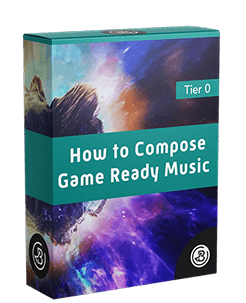
Get the 4M Protocol Course, production checklists, and imaginary game briefs in one place so you know what to do next.
No waiting, no drip schedule. You get the full inventory immediately.
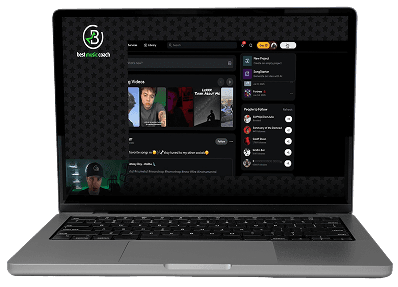
Follow the First Two Comps Challenge and write two short 8-bar sketches in real time.
The first win is walking away from your computer with two actual pieces of music started.
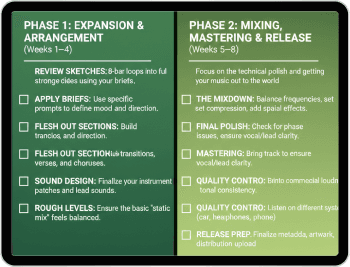
Weeks 1-4 expand the sketches with the briefs. Weeks 5-8 use the mixing, mastering, and release checklists to polish them.
The point is to stop guessing and keep turning the next step into finished music.
This is Phase 1: the map, briefs, checklists, roadmap, and first challenge without needing to guess your way through the process.
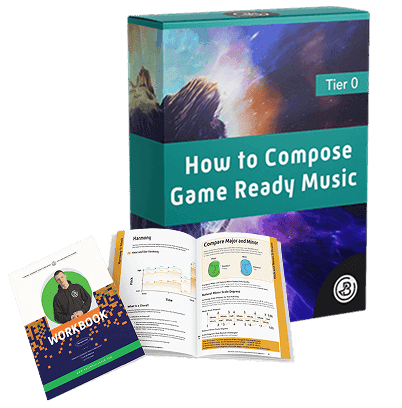
A focused walkthrough of the Make, Mix, Master, and Market process so you can generate themes, shape them into tracks, finish the sound, and share the work.
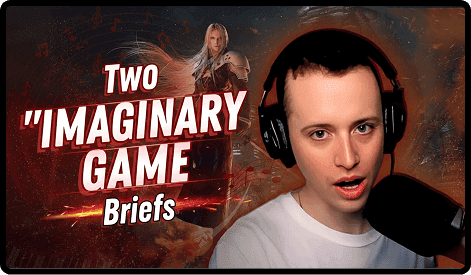
Practice like a composer working from a real creative assignment with Village Sunbeams and Threat of Nothing briefs, mood direction, and reference context.
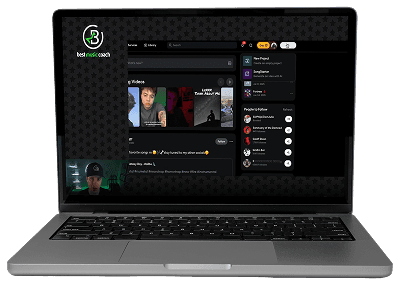
Mixing, mastering, and release checklists help you fix muddy mixes, balance levels, prep release details, and avoid getting stuck in technical uncertainty.
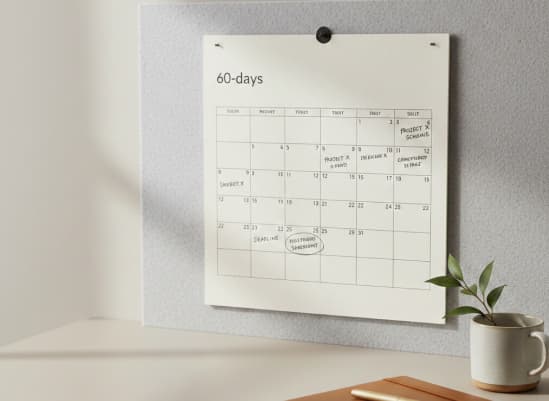
A high-level calendar for weeks 1-2 idea to motif to sketch, weeks 3-4 composition one, weeks 5-6 composition two, and weeks 7-8 polish and release prep.
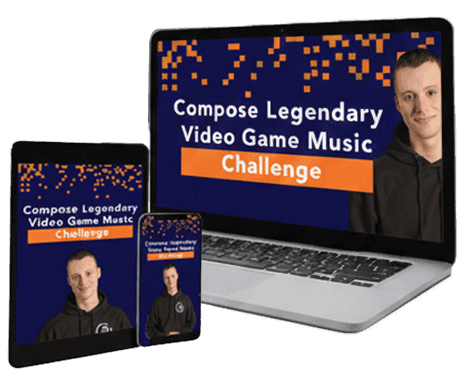
A guided starter challenge where you pick a brief, follow the process, and leave with two short composition starts instead of only more information.

After you get the map, the next page shows how to request a planning session for your gear, DAW, background, schedule, and bigger game-music goals.
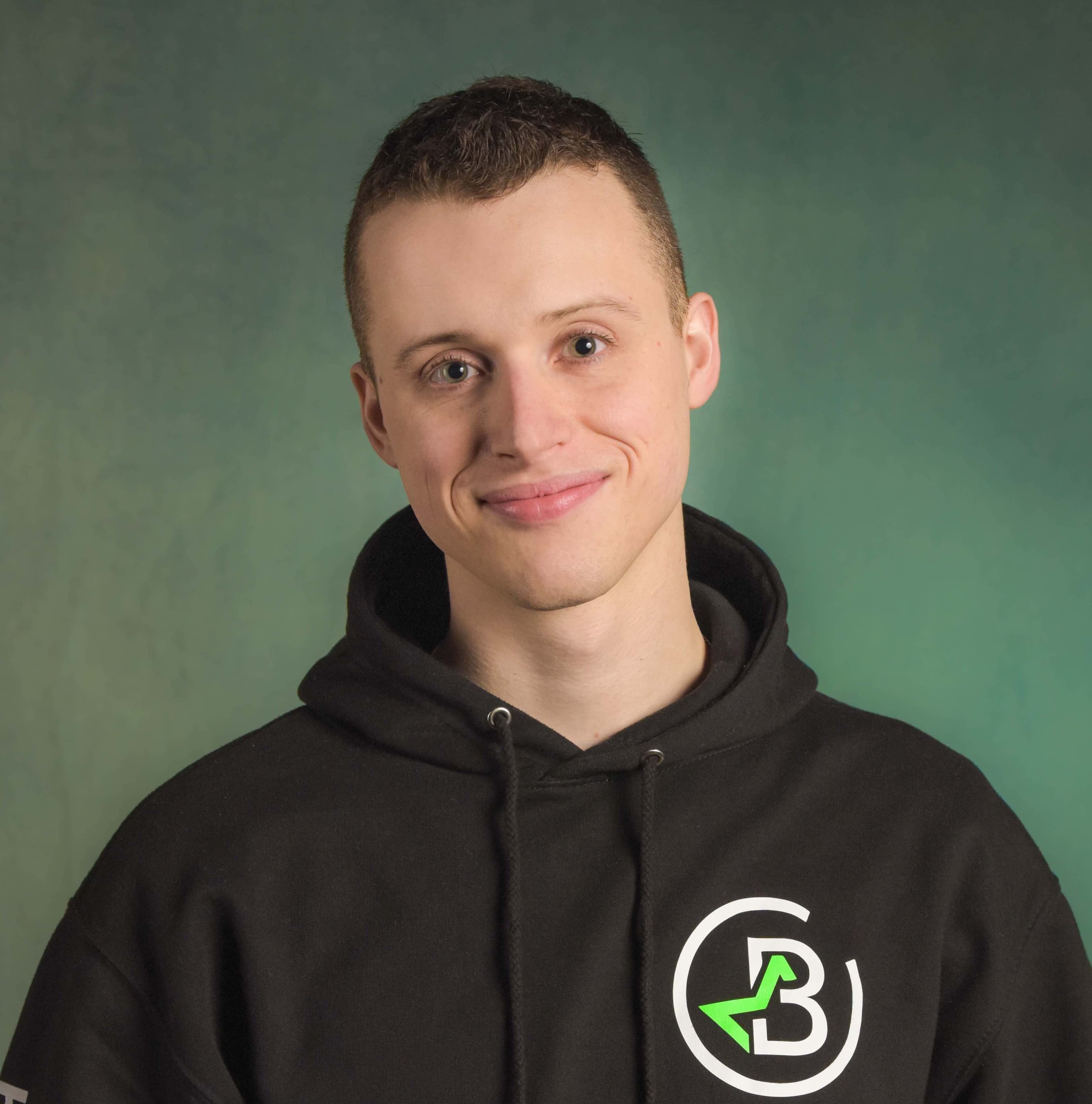
20+ years composing and teaching music
Composed for indie games including Medieval Legends, Yes, My Warlord, and Minimalist Rally 2D
Author of 10+ music books with 1,000+ 5-star reviews on Amazon
12,000+ books sold on Amazon
126,000+ subscribers on Music Theory for Gamers
Helped students release 100+ tracks, including 4 full original game soundtracks

"completing every edit I requested very quickly"
Rodrigo, Medieval Legends
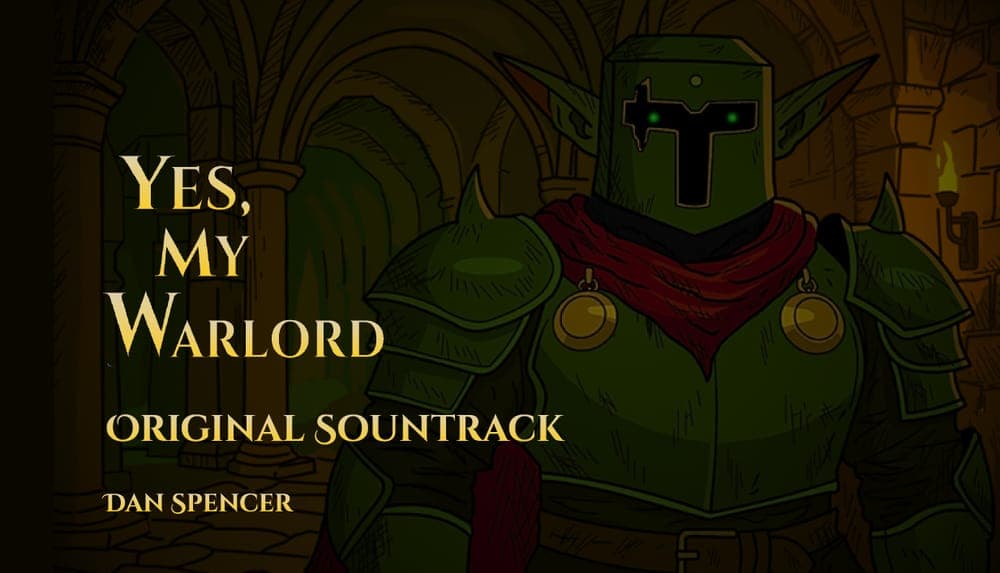
"knew exactly what I wanted"
Drake Vandelheart, Yes, My Warlord
"cooperative from start to finish"
Zee, Minimalist Rally 2D
The first win is not perfection. The first win is finishing music with enough structure that the next track becomes easier.
Not just watched lessons. Two pieces that started from a brief and moved through composition, polish, and release prep.
A way to move from idea to motif, sketch, finished track, mix, master, and release without freezing at each stage.
Practice creating the kind of emotional, memorable game music that can become part of your own recognizable style.
Finished work gives you something better than motivation: evidence you can point to and build from.
These two tracks are your first proof. The Gamer-Composer Upgrade Call is where we map how to turn this into a bigger body of work and real game opportunities.
A small finished body of work is how you begin moving toward YouTube releases, portfolios, game jams, and real game opportunities.
This is for gamers who make music or want to make music in any genre and style, and who have access to a digital audio workstation.
If you can open a DAW and make a sound, you can start. You do not need to be a music theory expert. You need a clear brief, simple steps, and the willingness to follow the process.
Once you claim the training, you can come back to the course and downloads.
We email you access to the starter pack. The next page explains the system and gives you the option to take the Gamer-Composer Upgrade Call if you want a more personal plan.
On the next page, I'll show you how the 60-day path works and how students use it as the first step toward EPs, portfolios, game jams, and real OST work.
If you want to move faster and get a seasoned composer's eyes on your plan, you can request a Gamer-Composer Upgrade Call there.